

What I learned from writing a book proposal
Paper Trails #06: claiming my voice, staying the course + lessons in letting go

Paper Trails is a behind-the-scenes glimpse into my creative non-fiction projects, a place to explore brand story, life writing and the rhythms of the creative process.
I did something a little bold (or crazily optimistic, depending on how you look at it) last week. Alongside applying for the New Writers Award to focus on my memoir-in-progress, I submitted my very first creative book proposal as part of the Business Book Proposal Challenge.
Both may well be met with rejection (more on that right here), but honestly, hitting “submit” felt like a miniature victory. Two very different submissions, one business, one personal, but both grounded in the same question: how do I claim my voice and stay the course? I chose my heart over my head telling me to play it safe.
The proposal was for the Brand Seasons® Playbook, a field guide for small business owners and self-employed creatives ready to nurture their brand strategy, style and story. I don’t have it all figured out, of course, but I managed to send off a strong draft, laying out everything from target audience and competing titles to marketing and promotion. And now we wait. Because one of the 30 participants wins a book deal with Practical Inspiration Publishing.
Update: Since writing this, I’ve shared a short piece about my decision to step away from the competition element.

Turning towards yourself
Circling back to the New Writers Award for a moment, one of the things that nudged me towards submission was talking with my daughter about Frida Kahlo — her art and the discrimination she faced. We were preparing her presentation, and as I stumbled through parts of Kahlo’s story, I was reminded how vital it is to have clarity around our vision and values. They’re what strengthen our voice and keep our eyes on that prize in the distance, even if, most days, it feels less like we’re calling into the void.
Maya Angelou was the first writer who showed me that a voice could be tender and fearless at the same time. At 15, I was captivated by the strength of her poetry and her spirit. More recently came Joan Didion with her unflinching memoir, and so many other writers in between. The themes of voice and space, and the reclamation of creativity, are ones I keep playing with — even with my own ancestors, such as Margaret Laidlaw, whose ballads and stories help me see that voice is something we inherit as much as we create, and that it needs to be protected.
Choosing ourselves is never really once-and-done. It’s more of a practice — a way of holding onto the core of who we are so we can keep showing up in our own way. It’s less about turning away from others and more about turning inwards.
“Everything you can imagine is real.”
— Frida Kahlo
Mapping with a moodboard
One of the ways I build confidence around ideas, or at least set them in motion, is through moodboards. This is something I touched on last month when I wrote about the creative spark of curation.
Today I’m sharing the moodboard for the Brand Seasons® Playbook, which I pieced together over the course of the proposal challenge and finished this morning. For me, it’s about giving shape to the book and, if I’m honest, giving me direction if things don’t quite go to plan…because let’s face it, they rarely do.
I also have a moodboard-in-progress for my memoir. It’s more fragments and has been evolving over the years, just as the book itself has. Much like a synopsis or summary, a moodboard shifts when your vision sharpens…because creative projects are living things. If I come up with a name for a product or service – and brand naming is one of my favourite things to do for clients – chances are I’m also dreaming of the imagery that might accompany it.
Much like in my branding and design practice, making a moodboard (whether digital or analogue) is what gets me thinking clearly about how a project might look, but also how it could feel. It makes the intangible tangible and keeps me moving forward.
I start here because it’s familiar: choosing colours, textures and images, and imagining all the possibilities. That’s precisely where the spark to carry on comes from: what is possible for me?
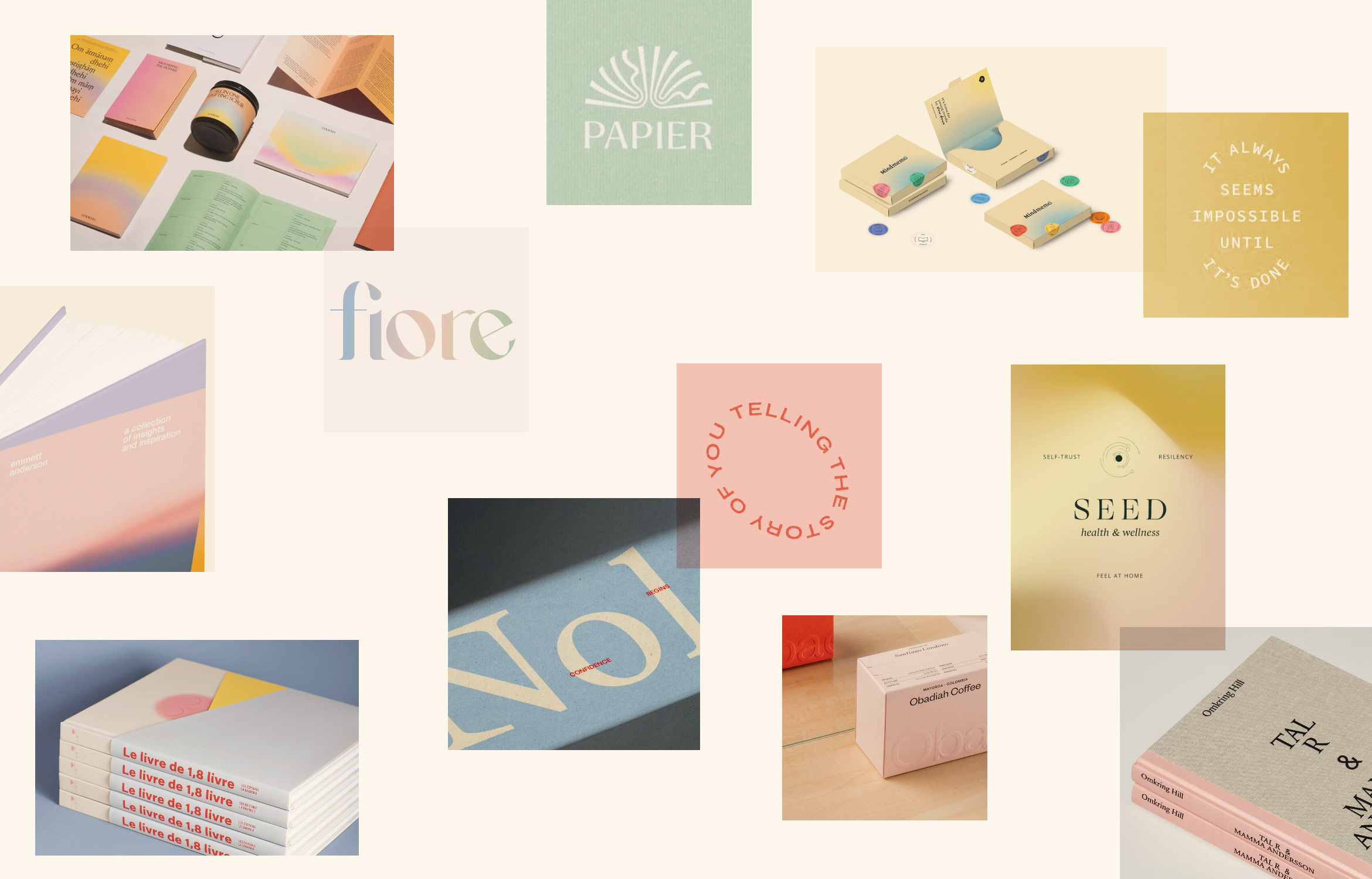
Does it help you to visualise the result of a project? Have you created a moodboard for one of your own creative adventures? Why not try creating one of your own?
“Open your eyes to the beauty around you, open your mind to the wonders of life, open your heart to those who love you, and always be true to yourself.”
– Maya Angelou
If you’re tempted, the next round of the Business Book Proposal Challenge begins in January, with earlybird places at £199. This is my affiliate link — something I’ll only ever share if I’ve done it myself and would happily do again.
And don’t be put off if you’re still circling an idea rather than ready to commit. The challenge attracts not just those with concrete plans but also people exploring their options — even discovering that now isn’t the time or that another route might be a better fit.
Ultimately, the value lies in the process itself — moving your writing forward and ending up with a strong proposal in your hands.

I’d love to invite you to keep reading. Today you’ll find six lessons I’m carrying forward into my creative nonfiction proposal along with a fragment of memoir. Annual subscribers get full access, and if you’d like to go deeper, the Founding tier includes extra branding support and resources.
What I learned from writing a book proposal
Distilling my sprawling ideas into a few clear pages was harder than I imagined — it’s not called a challenge for nothing! But it also delivered clarity, direction and momentum in abundance. I had to cut sections and strip examples, but toughest of all was clarifying the book’s promise in plain language.